This guide is written for buyers, parents, educators, publishers, and children’s product teams who want a practical way to plan puffy stickers for kids without overpromising performance or safety. The goal is to make the product easier to use, easier to source, and clearer for the final customer.
What makes puffy stickers feel different
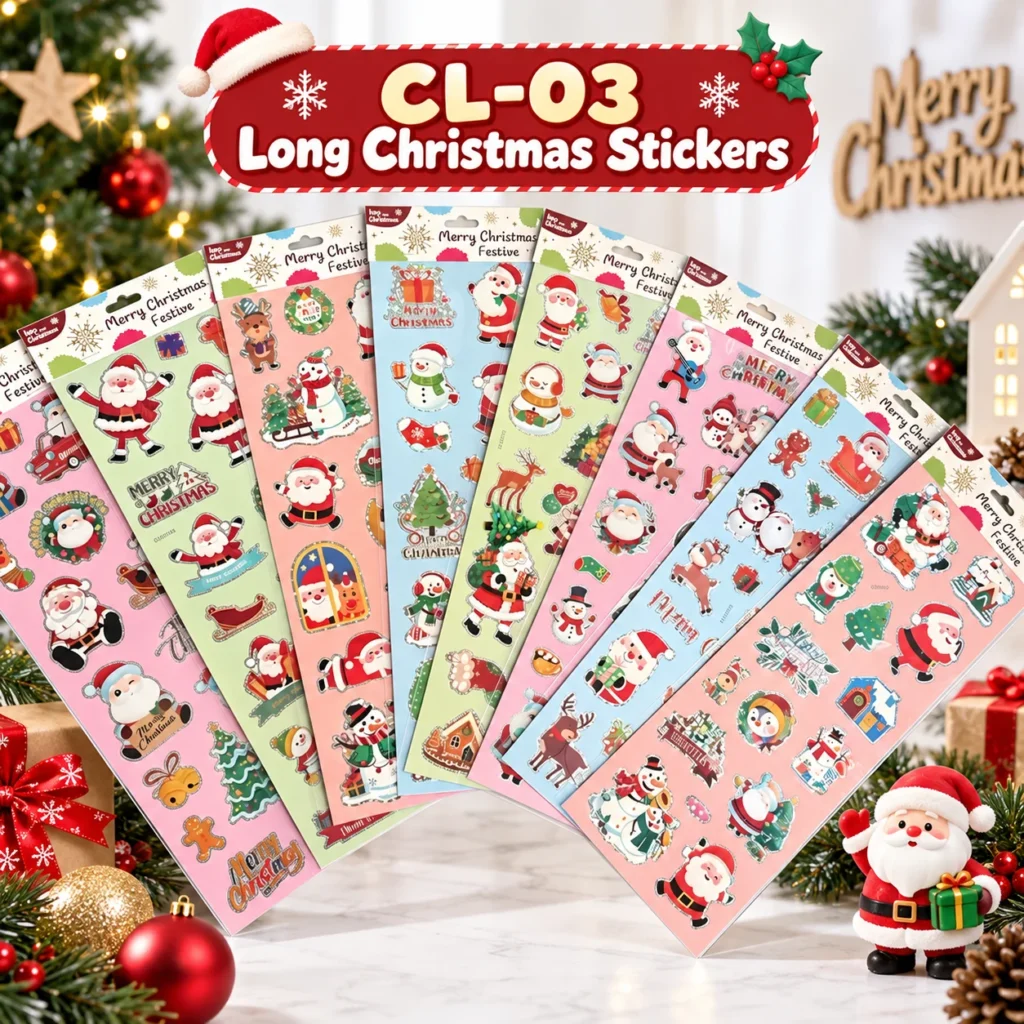
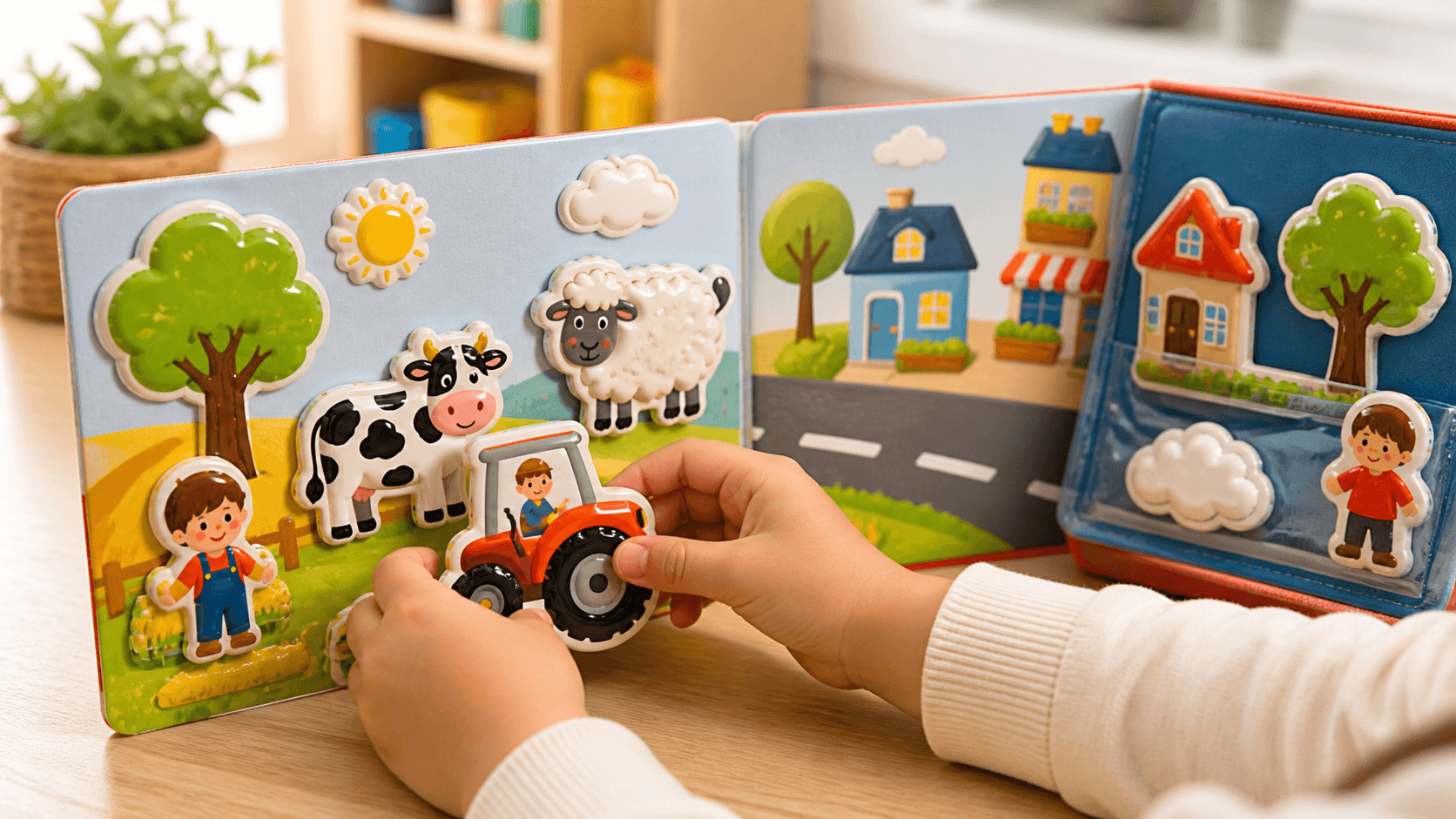
A raised profile, soft-looking surface, shadow, and dimensional edge make puffy stickers more tactile than flat stickers. Children often treat them as play pieces, not just decoration. That changes how the set should be designed.
For wholesale or custom production, write down the intended user, destination market, quantity, packaging style, and any test requirements before artwork begins. This keeps design decisions connected to real buying conditions instead of guesswork.
Design for little hands
Use larger silhouettes, generous spacing, visible peel edges, and backing stiffness that helps children remove pieces. Tiny shapes may look cute on a sheet but frustrate young users. If pieces are intended for repeated play, validate the reusable claim through testing.
For wholesale or custom production, write down the intended user, destination market, quantity, packaging style, and any test requirements before artwork begins. This keeps design decisions connected to real buying conditions instead of guesswork.
Build a scene-based set
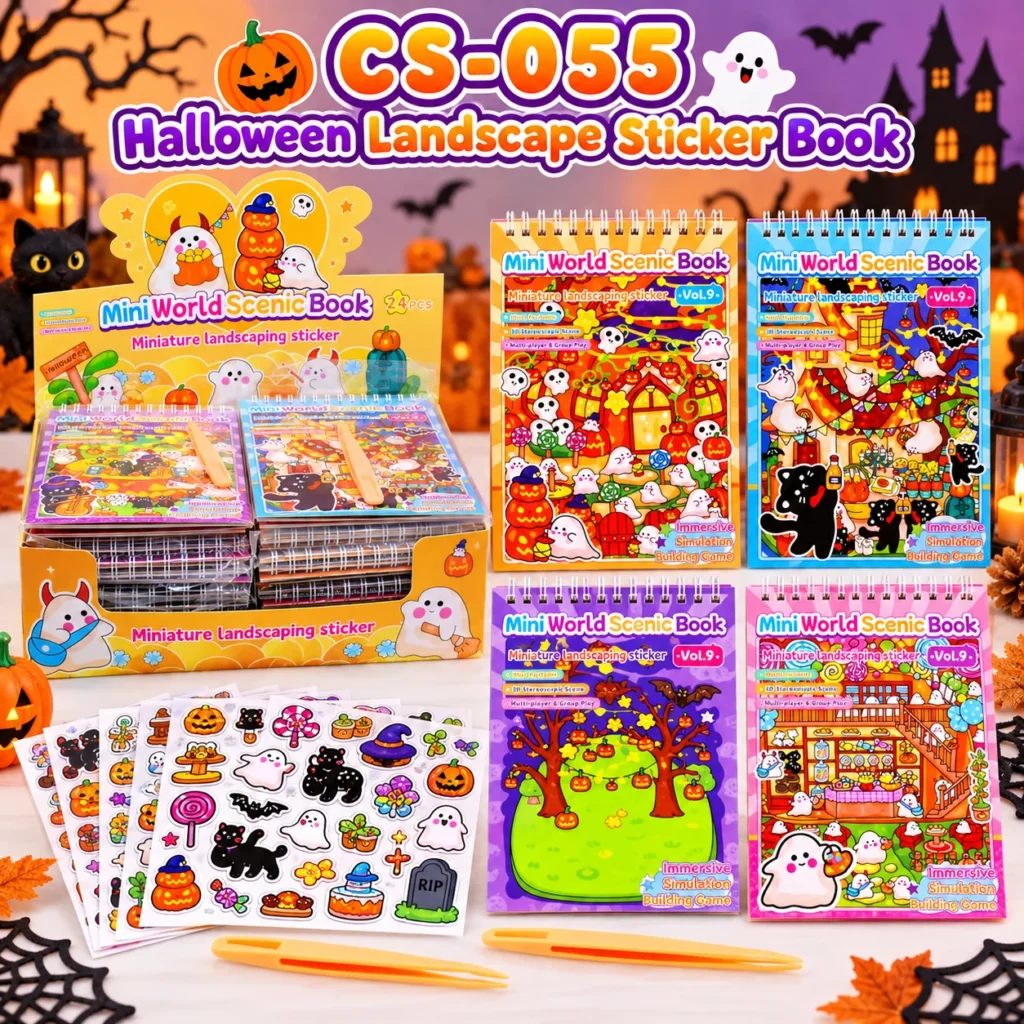
A strong play set includes characters, props, scale cues, and a background that invites interaction. A bakery scene might include a counter, cakes, signs, and customers. A space scene might include planets, rockets, stars, and astronauts. Pieces should feel coherent when combined.
For wholesale or custom production, write down the intended user, destination market, quantity, packaging style, and any test requirements before artwork begins. This keeps design decisions connected to real buying conditions instead of guesswork.
Check durability before launch
Test seams, crushing, puncture resistance, print rub, edge lift, and repeated handling. Damaged or detached pieces can create concerns, so do not claim suitability for children under 3 or specific compliance without expert review and test evidence.
For wholesale or custom production, write down the intended user, destination market, quantity, packaging style, and any test requirements before artwork begins. This keeps design decisions connected to real buying conditions instead of guesswork.
Planning table
| Format | Strength | Watch-out |
|---|---|---|
| Flat sticker | Low cost and easy packing | Less tactile play value |
| Puffy sticker | Raised look and easy grip | Needs durability checks |
| Reusable puffy play set | Scene play and repeat use | Reusable claim must be validated |
Buyer checklist
- Define the user age range and supervision context.
- Confirm product format, sheet size, piece count, and packaging.
- Avoid safety, waterproof, washable, food-contact, or skin-contact claims without test evidence.
- Prepare original or properly licensed artwork.
- Request a proof or sample before bulk production.
Related StickerJaki guides
- /puffy-stickers-comeback/
- /3d-stickers-vs-regular-stickers/
- /non-toxic-stickers-for-kids/
- /sticker-sizes-guide/
FAQ
Are puffy stickers reusable?
Some products are designed for reuse, but the claim should be tested with the final material and surface.
What piece size is best?
Larger shapes with clear edges are easier for small hands.
Can puffy stickers be used by toddlers?
Do not claim suitability for children under 3 without age-grade review and compliance evidence.
What should be tested?
Peel access, seams, crushing, puncture, print rub, edge lift, and repeated handling.
What makes a good play scene?
A balanced mix of characters, props, background interaction, and enough spacing for placement.