The right sticker packaging options protect the product, explain what the buyer receives, support retail display, and keep freight practical. Packaging should be selected with the sticker format and sales channel, not added only after the product has been designed. This guide compares common choices for wholesale, retail, and private-label programs.
Simple bags and protective sleeves
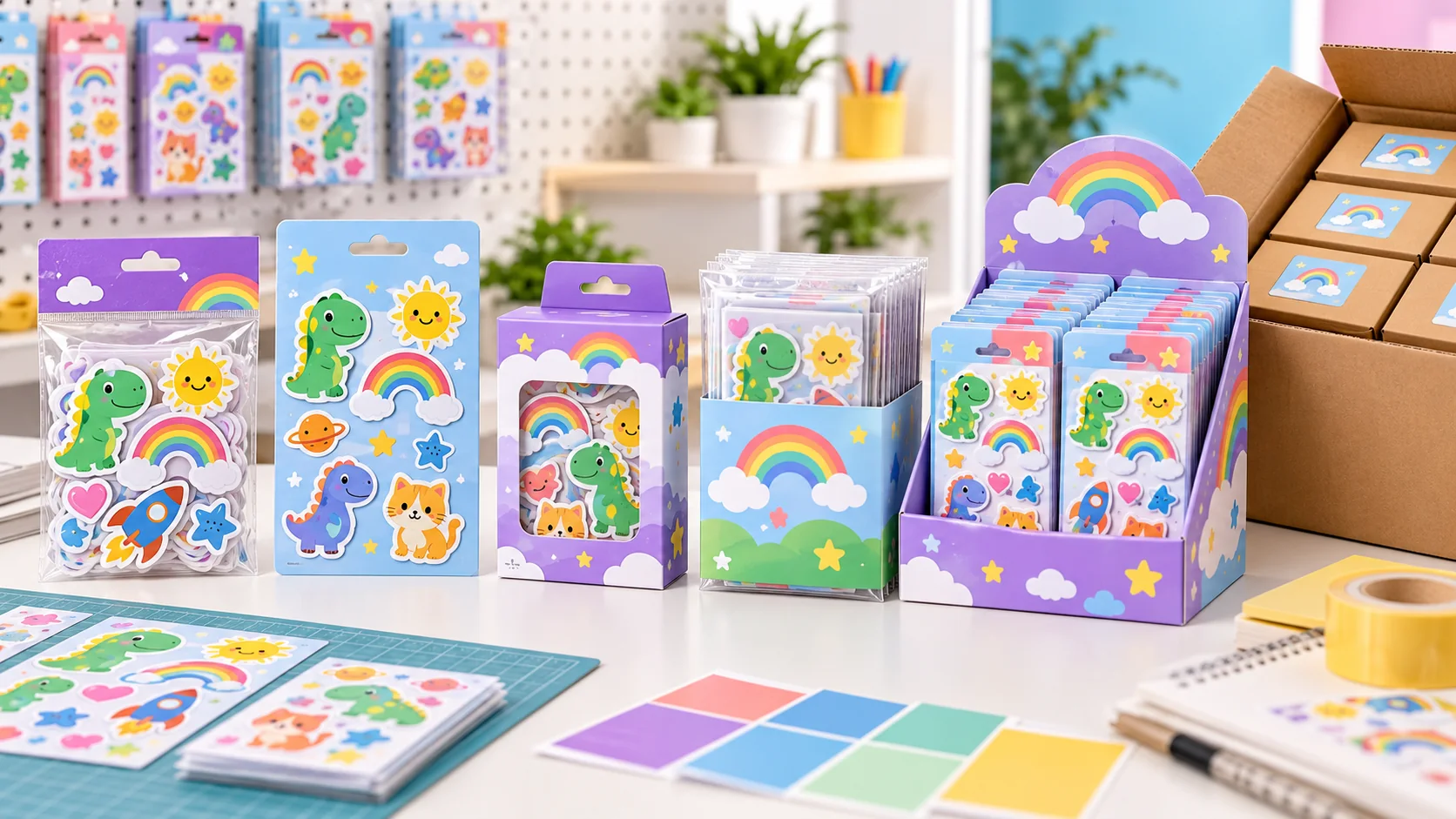
Clear bags or sleeves can keep flat sheets, packs, and small activity products together while allowing the artwork to remain visible. They are useful when the product itself carries most of the visual appeal.
Buyers should confirm bag size, closure, ventilation or warning requirements where applicable, pack count, label placement, and whether the material protects the product during handling. Material composition and environmental claims must be verified for the exact packaging rather than assumed.
Backing cards and header cards
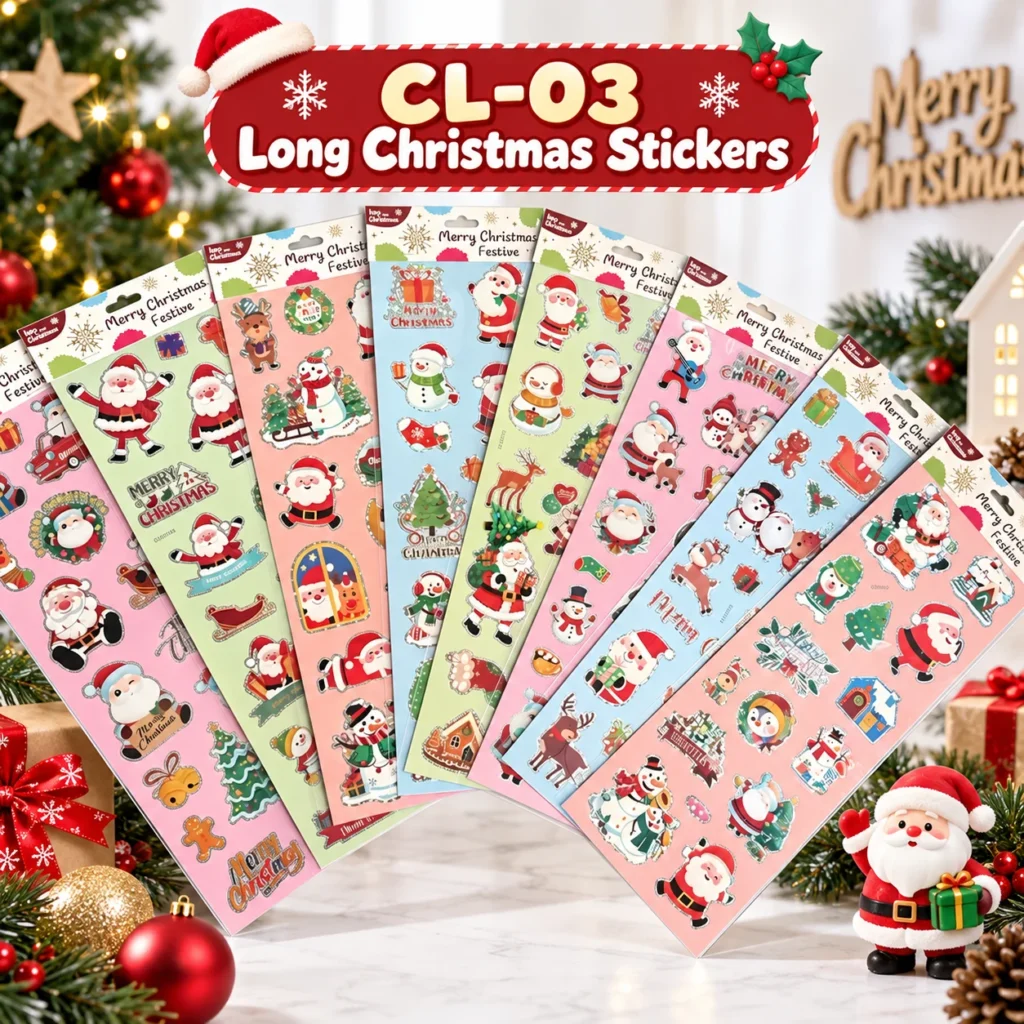
A printed backing card can add branding, product information, barcode space, language, and support behind a flexible sticker sheet. A header card can create a hanging area without covering the front design.
Check finished dimensions, print coverage, hole position, attachment method, board thickness, and whether the card bends inside the shipping carton. The package should remain easy to scan and display.
Hanging packs
Hanging formats work for peg displays in toy, stationery, gift, and discount retail. The product may use a header card, euro hole, reinforced hole, or another structure. Buyers should confirm the retailer’s fixture requirements before approving artwork.
Do not place important text or barcodes where the hanging hardware or fold can obscure them. Test the loaded pack, not only the flat artwork.
Paper boxes and gift-ready boxes
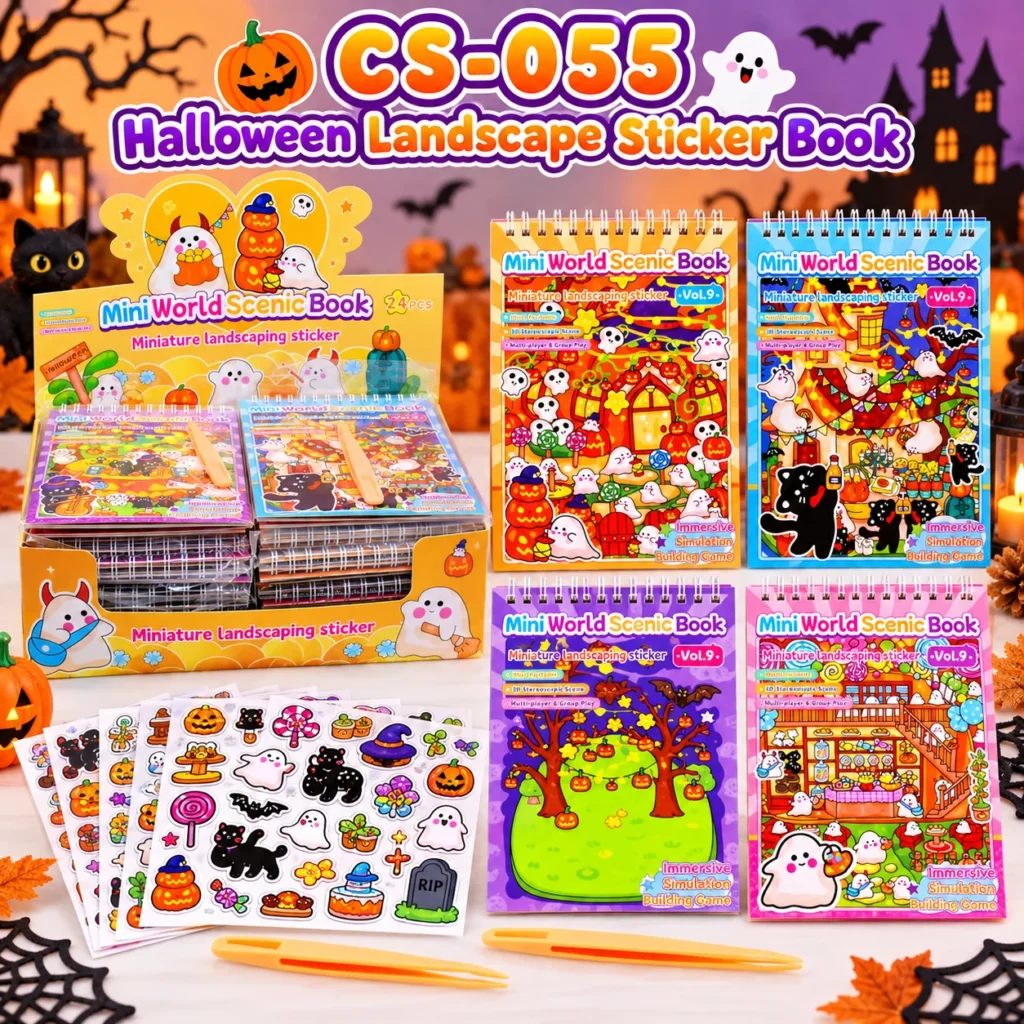
Boxes can hold sticker books, activity components, multi-packs, or premium assortments. They provide more printing space and structural protection, but dimensions, inserts, finishing, and assembly can increase cost and freight volume.
A gift-ready appearance is useful only when the package survives shipping and remains easy to merchandise. Review closure, insert fit, empty space, corner strength, and carton packing before approval.
Counter display boxes
Counter displays organize several units and present the product near checkout areas. The display may ship flat or preassembled, depending on the structure and order. Buyers should confirm unit capacity, footprint, opening method, artwork, replenishment, and the shipping configuration.
Multi-packs and assortment packs
Multi-packs combine several sheets, themes, books, or activity components into one retail unit. They can improve perceived variety but require clear pack contents and careful quantity control.
For assortment packs, define whether every retail pack contains the same designs or whether designs vary. Barcodes, SKU naming, and outer labels should match the actual assortment rule.
Packaging comparison
| Packaging format | Best use | Display benefit | Protection/freight consideration | Customization questions |
|---|---|---|---|---|
| Clear bag or sleeve | Flat sheets and simple packs | Product stays visible | Low structure; size and closure matter | Label, warning, closure, and bag size |
| Backing/header card | Sheets and hanging packs | Branding and barcode space | Card must resist bending | Board, print, hole, and attachment |
| Paper box | Books, kits, and premium sets | Strong shelf and gift presentation | More volume, assembly, and material | Structure, insert, finish, and closure |
| Counter display | Impulse and checkout products | Organizes multiple units | Footprint and shipping form matter | Capacity, artwork, and replenishment |
| Multi-pack | Value and themed assortments | Shows product variety | Count accuracy and pack thickness | Contents, SKU, barcode, and assortment rule |
Private-label information
Private-label packaging may include brand artwork, product name, barcode, SKU, language, warnings, age information, importer details, country information, or other destination-market requirements. The buyer is responsible for defining the market and required content, while the supplier confirms what can be produced for the reviewed specification.
Keep one approved packaging file and record revisions. Confirm which side, panel, or label contains each required element. Do not assume that a certificate or claim for one product automatically applies to another package or market.
Product packaging versus shipping cartons
Retail packaging is what the shopper sees. Inner packs and master cartons organize and protect products during storage and transport. A visually attractive retail pack can still create poor freight efficiency if it leaves excessive empty space or prevents practical carton packing.
Review retail dimensions together with inner quantity, master-carton quantity, gross weight, and volume. Packaging decisions may affect both unit presentation and landed cost.
What drives packaging cost
Cost depends on dimensions, material, print coverage, finishing, inserts, assembly, labels, number of versions, quantity, and carton efficiency. Special structures may require additional setup or tooling. Ask for a quotation based on the confirmed design instead of applying a generic packaging price.
Packaging approval checklist
- Confirm product size, quantity, orientation, and pack contents.
- Confirm retail channel and display method: shelf, peg, counter, gift, or online.
- Check barcode, SKU, language, warnings, and required market information.
- Review dieline, artwork, colors, finish, closure, and assembly.
- Test the package with the actual product inside.
- Confirm inner packing, master-carton dimensions, weight, volume, and carton marks.
- Approve one recorded version before production.
StickerJaki standard wholesale products are ordered by carton and currently use a US$200 MOV. Custom packaging, labeling, quantities, testing, and production timing are confirmed case by case.
Frequently asked questions
Which packaging is best for stickers?
It depends on the sticker structure, retail channel, display method, protection requirement, branding, and freight target. Compare the complete packed product rather than choosing by appearance alone.
Can StickerJaki provide backing or header cards?
Backing cards, header cards, and other branded packaging options can be reviewed for custom projects. Structure, artwork, quantity, and market requirements affect the quotation.
When should buyers use a display box?
A counter display can suit impulse products or multiple small units when the retailer has suitable counter space. Confirm capacity, footprint, replenishment, and shipping form.
Can packaging include private-label branding?
Yes, subject to specification review. Provide brand artwork, barcode, language, required label information, quantity, and destination market.
What information is needed for a packaging quote?
Send the sticker format and dimensions, quantity, packaging reference or dieline, sales channel, barcode and labeling needs, destination, and required delivery date.
Plan your sticker packaging
Compare packaging needs across kids stickers, sticker books, and creative sticker sets. For private-label packs, review the custom service. Send the product format, size, packaging reference, channel, quantity, labels, destination, and delivery date through the quote cart or contact page.