This guide is written for buyers, parents, educators, publishers, and children’s product teams who want a practical way to plan kids sticker subscription box without overpromising performance or safety. The goal is to make the product easier to use, easier to source, and clearer for the final customer.
Start with the retention loop
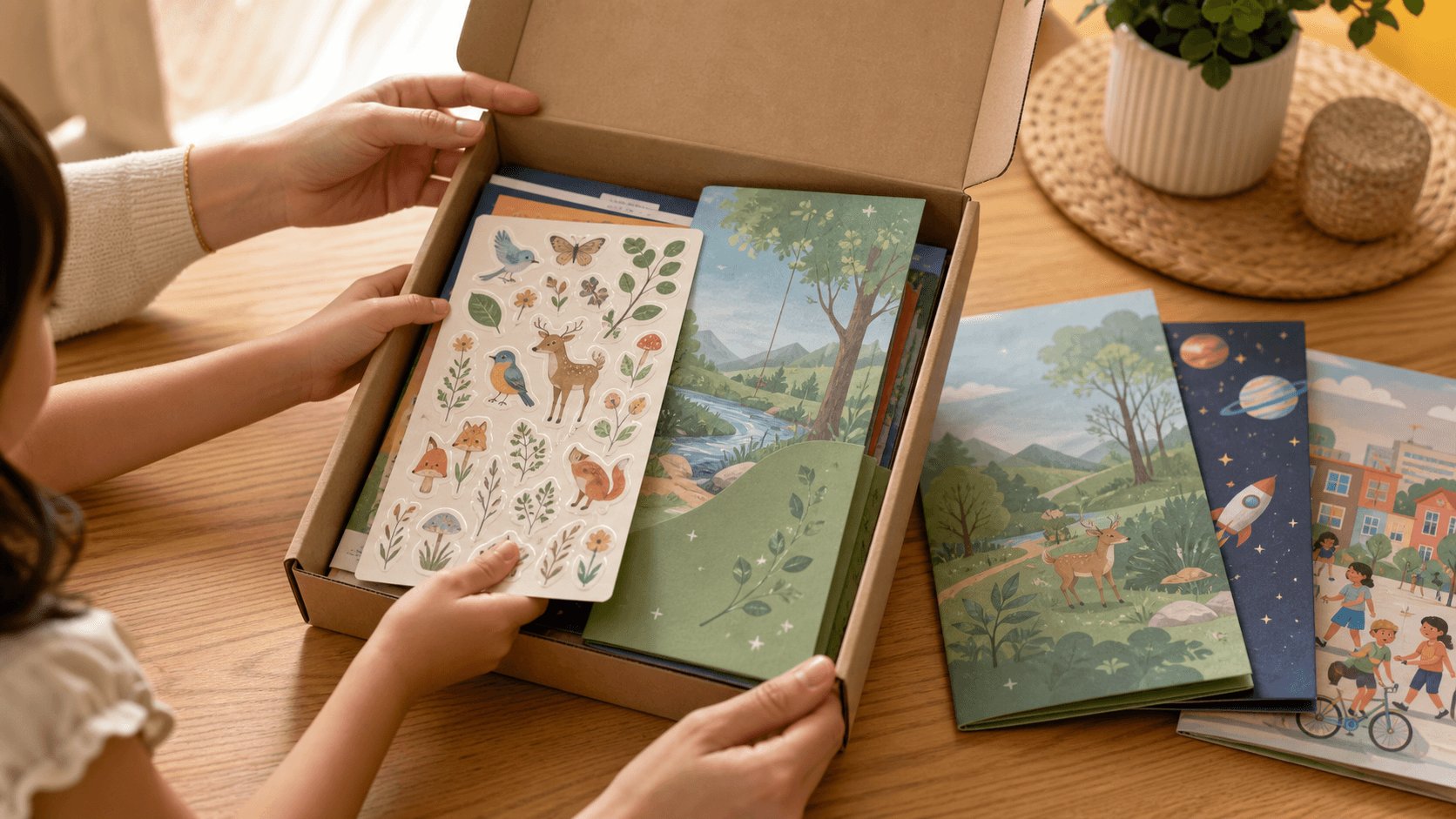
Subscription products need more than a good first box. Families stay when the theme feels new, the contents are useful, and the child expects a small ritual each month. Stickers are light to ship, flexible to theme, and easy to bundle with activity cards.
For wholesale or custom production, write down the intended user, destination market, quantity, packaging style, and any test requirements before artwork begins. This keeps design decisions connected to real buying conditions instead of guesswork.
Plan monthly themes
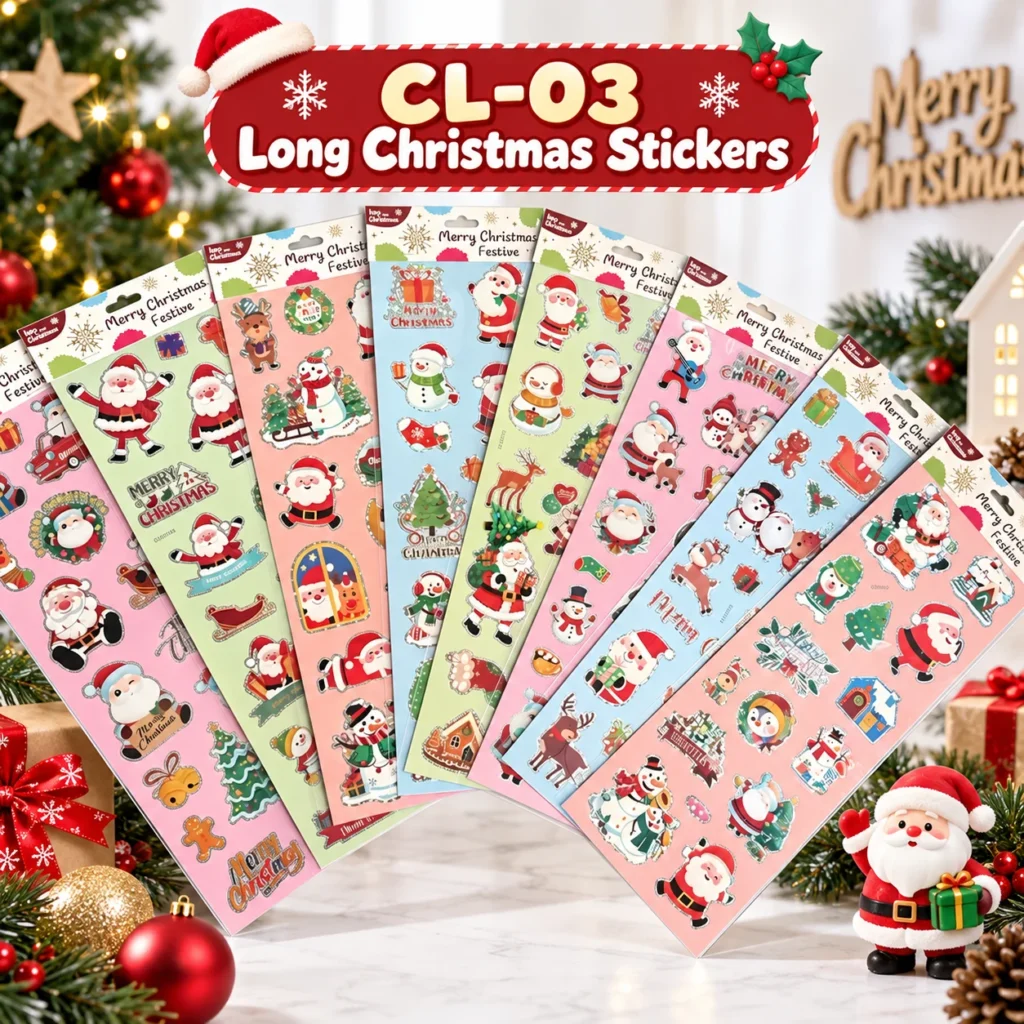
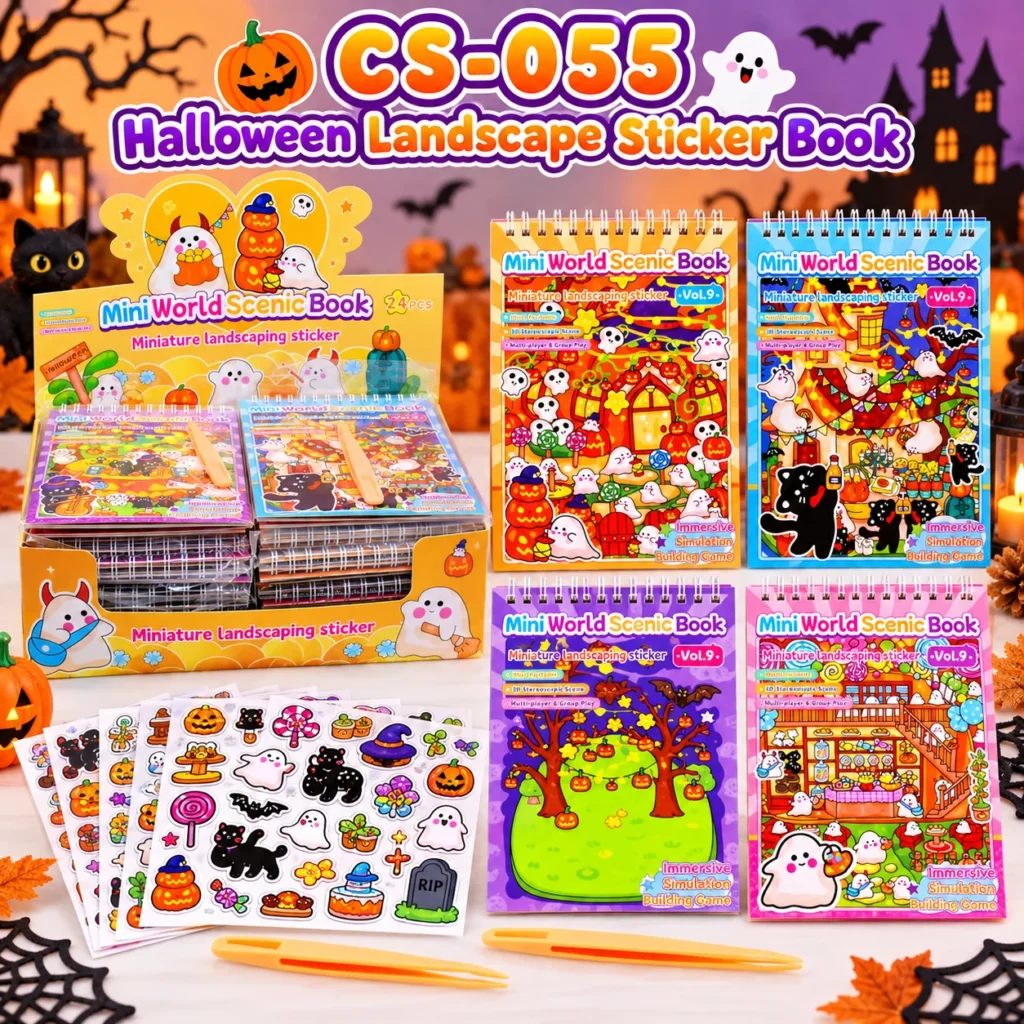
Strong themes include animals, space, weather, holidays, travel, food, fantasy, ocean, school, sports, and creative challenges. Rotate between familiar and surprising ideas. Seasonal timing matters, but avoid depending only on holidays because subscribers need value every month.
For wholesale or custom production, write down the intended user, destination market, quantity, packaging style, and any test requirements before artwork begins. This keeps design decisions connected to real buying conditions instead of guesswork.
Segment by age and activity level
Younger children may need larger stickers and simple activities. Older children may prefer collecting, journaling, decorating, or challenge prompts. Age bands help buyers understand the box, but real design should be based on piece size, reading level, and activity complexity.
For wholesale or custom production, write down the intended user, destination market, quantity, packaging style, and any test requirements before artwork begins. This keeps design decisions connected to real buying conditions instead of guesswork.
Control costs and packaging
A subscription box must be predictable to source. Plan sticker count, insert cards, envelope or box size, artwork schedule, and reorder timing. Retention improves when packaging feels delightful without making shipping too expensive.
For wholesale or custom production, write down the intended user, destination market, quantity, packaging style, and any test requirements before artwork begins. This keeps design decisions connected to real buying conditions instead of guesswork.
Planning table
| Month type | Theme idea | Retention hook |
|---|---|---|
| Seasonal | Back to school, winter animals | Timely use case |
| Evergreen | Space, dinosaurs, ocean | Broad child appeal |
| Creative | Story prompts, mosaic sheets | Activity value |
| Collectible | Series characters or badges | Reason to continue |
Buyer checklist
- Define the user age range and supervision context.
- Confirm product format, sheet size, piece count, and packaging.
- Avoid safety, waterproof, washable, food-contact, or skin-contact claims without test evidence.
- Prepare original or properly licensed artwork.
- Request a proof or sample before bulk production.
Related StickerJaki guides
- /sticker-packs-guide/
- /seasonal-and-holiday-stickers-planning/
- /custom-stickers-for-packaging/
- /sticker-trends-through-the-decades/
FAQ
What should be in a kids sticker subscription box?
Sticker sheets, activity cards, themed inserts, and simple storage or collecting prompts.
How many stickers should be included?
It depends on price point, age band, shipping format, and whether the box includes activities.
How do you keep themes fresh?
Use a calendar that mixes seasonal, evergreen, creative, and collectible concepts.
Can boxes be customized for a brand?
Yes. Artwork, packaging, inserts, and assortment rules can be customized.
What affects retention most?
Consistent value, useful themes, child excitement, parent trust, and predictable delivery quality.