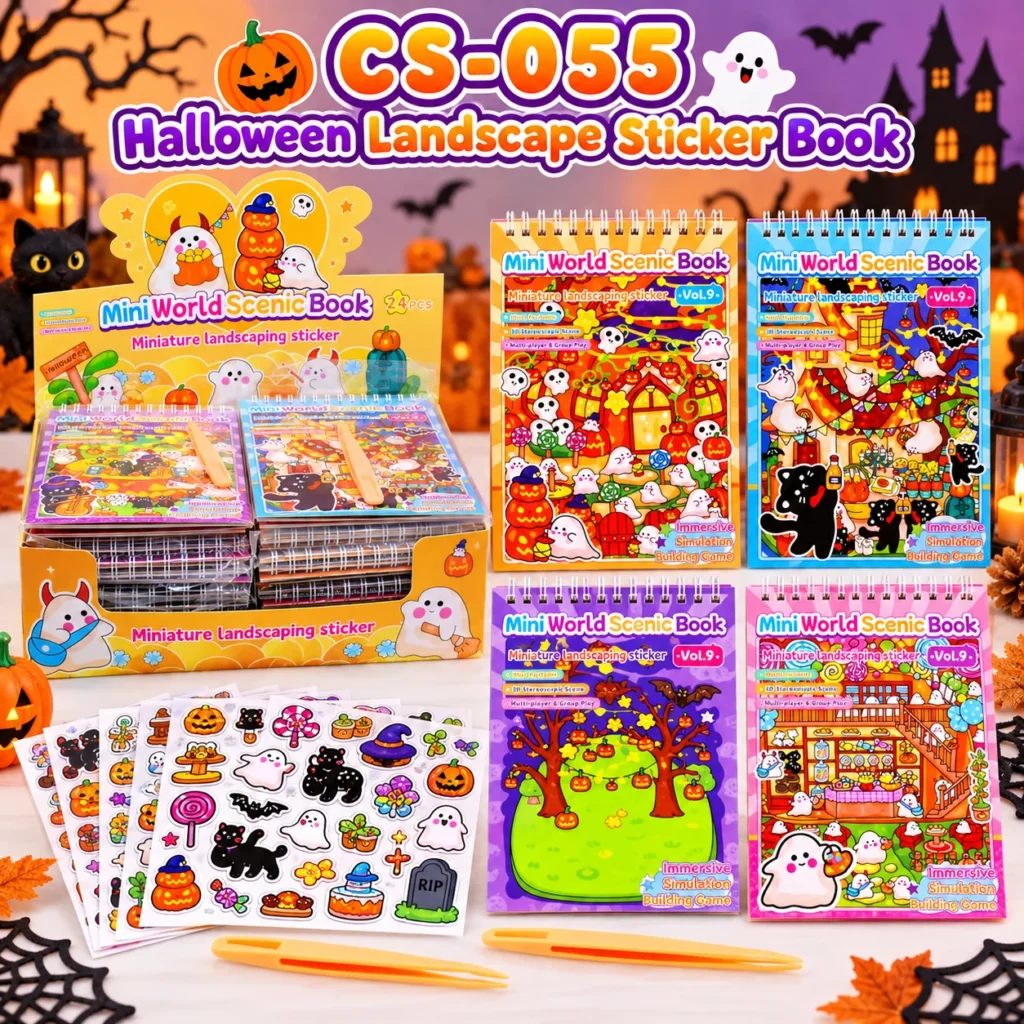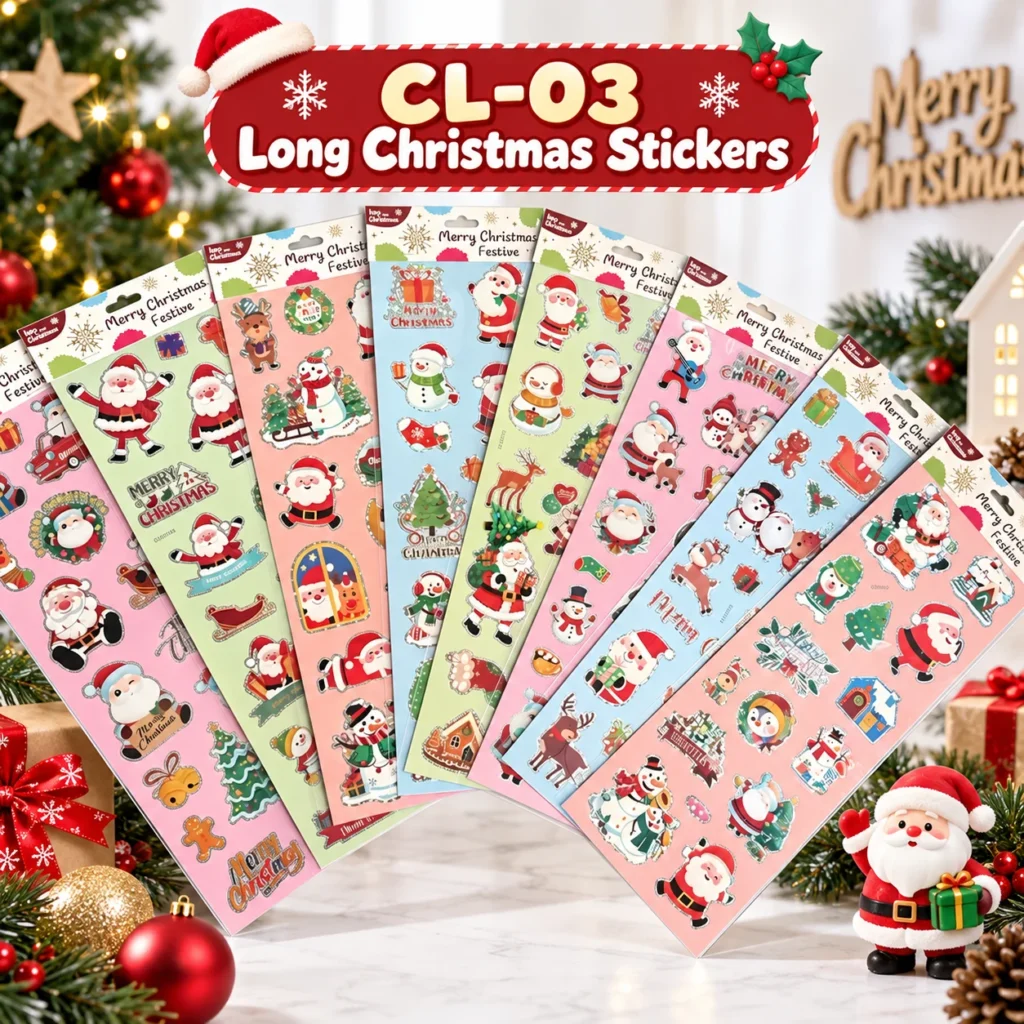
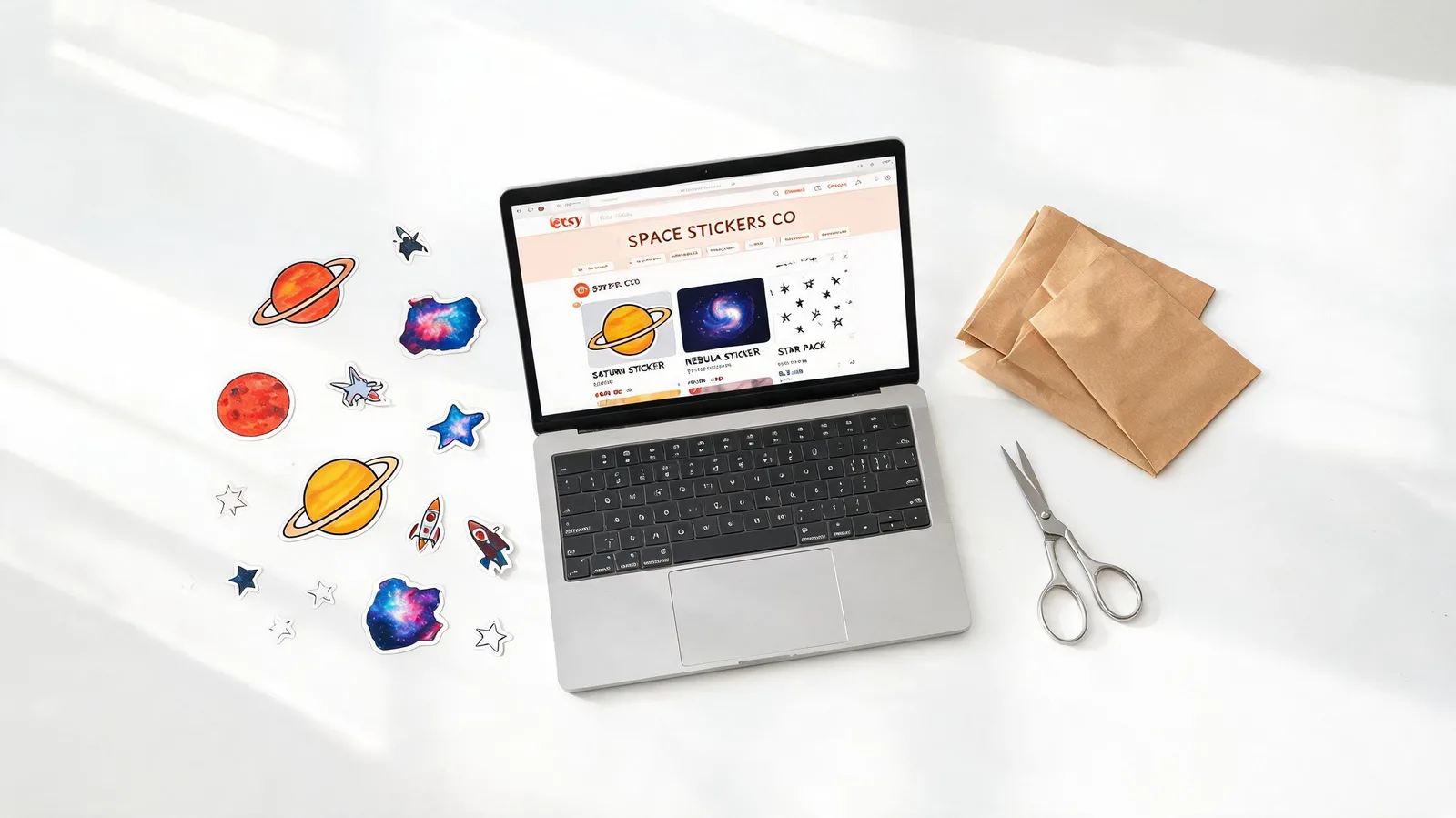
Stickers are one of the easiest physical products to start selling online: low startup cost, tiny footprint, fast production, and fat margins. This guide walks you through the exact steps to launch a profitable sticker business in 2026 — from finding your niche to pricing for profit.
At StickerJaki we help new sticker brands go from idea to shelf with a $200 minimum order value, a free design proof, 3–5 day production, and worldwide shipping — so you can test designs cheaply and scale what sells.
How much does it cost to start a sticker business?
Your startup cost depends entirely on how you print. Here’s a realistic 2026 breakdown:
| Startup item | DIY (home printer) | Print-on-Demand | Bulk supplier |
|---|---|---|---|
| Equipment / printer | $200–$600 | $0 | $0 |
| Materials (vinyl, ink, cutter) | $80–$200 | $0 | $0 |
| First order / MOV | — | $0 (made on sale) | $200 minimum order value |
| Platform / shop fees | $0–$30 | $0–$30 | $0–$30 |
| Realistic total to launch | $300–$800 | $0–$60 | ~$200 |
Print-on-demand has the lowest barrier but the thinnest margin. DIY gives you control but eats your time. A bulk supplier gives you the best per-unit cost and quality once you know what sells — which is why most growing sticker brands move to bulk after validating demand.
DIY printing vs ordering in bulk — which is better for beginners?
DIY makes sense for ultra-low volumes and rapid prototyping, but home printers struggle with waterproofing, color accuracy, and clean die-cuts. Print-on-demand is great to test designs with zero inventory risk. Bulk ordering wins the moment you have proven sellers: per-unit cost drops below $0.35, quality is consistent, and you get professional finishes like die-cut vinyl and laminations.
A common, low-risk path: validate with print-on-demand → reprint your winners in bulk → expand the catalog.
How to find your sticker niche
The brands that win pick a focused audience instead of selling “stickers for everyone.” Strong 2026 niches include: mental-health affirmations, cottagecore/nature, pet portraits, niche fandoms, small-business branding, planners/journaling, and eco-conscious designs. Validate demand before you invest: check Etsy search volume, Pinterest trends, and what’s selling in your niche. Then create 5–10 cohesive designs — enough to look like a real brand without overcommitting.
How to price your stickers for profit
Price from cost up, then sanity-check against the market. Here’s a worked example for a single die-cut vinyl sticker sold on Etsy:
| Line item | Amount |
|---|---|
| Cost per sticker (bulk, 500 pcs) | $0.45 |
| Selling price | $3.50 |
| Platform + payment fees (~10%) | −$0.35 |
| Shipping (often passed to buyer) | $0.00 |
| Net profit per sticker | $2.70 (~77% margin) |
That margin is why stickers scale so well. Bundle deals (e.g., “3 for $9”) raise average order value and your effective margin. For the full breakdown of what drives your cost, see our sticker pricing guide.
Where to sell stickers online in 2026
- Etsy — built-in buyer traffic for handmade/niche stickers; great for starting.
- Shopify — your own branded store; best for scaling and owning your customer list.
- Amazon Handmade — huge reach, more competition and fees.
- Instagram / TikTok Shop — visual-first selling; ideal for trend-driven designs.
Many sellers start on Etsy to validate, then add a Shopify store to build a brand and improve margins.
Step-by-step: launch in 7 steps
1. Choose your niche — pick a focused audience.
2. Research your market — validate demand on Etsy/Pinterest before printing.
3. Create your designs — 5–10 cohesive, print-ready designs.
4. Choose a printing method — DIY, print-on-demand, or bulk supplier.
5. Set up your shop — Etsy, Shopify, or Amazon with good photos and SEO titles.
6. Price for profit — cost-up pricing with bundles; aim for 70%+ margin.
7. Market & grow — Pinterest, Instagram/TikTok, freebies in orders, and reprint winners in bulk.
Frequently asked questions
How much does it cost to start a sticker business?
You can start for $200–$200. Print-on-demand can be near $0 upfront; DIY costs more for equipment; a bulk supplier typically requires a $200 minimum order value.
Are sticker businesses profitable?
Yes. Stickers have very high margins — typically 70–90% — because materials are inexpensive, units are light to ship, and bundles raise order value.
Do I need a license to sell stickers?
Requirements vary by country and region, but most start as a small/sole-proprietor business and register once sales grow. Never sell copyrighted or trademarked artwork without permission.
What’s the best printing method for beginners?
Start with print-on-demand or a low-MOV bulk supplier to avoid inventory risk, then move proven designs to bulk for the best per-unit cost and quality.
How many designs should I launch with?
Five to ten cohesive designs is enough to look like a real brand and test what sells without overspending.
How fast can I get stickers made to sell?
With a bulk supplier, production is typically 3–5 days after proof approval, plus shipping — fast enough to restock winners quickly.
Ready to launch?
Skip the home-printer headaches and go straight to professional, full-color, waterproof stickers. Get a bulk quote with a free design proof — $200 minimum order value. Message us on WhatsApp or email contact@stickerjaki.com and we’ll help you launch fast. Start a custom order anytime.
Buyer Notes for How to Start a Sticker Business: Step-by-Step Guide for Beginners (2026)
For sticker sourcing, buyers should consider product format, finish, carton quantity, packaging style, and whether the design fits the intended retail or promotional use. StickerJaki focuses on carton-based wholesale supply, with standard product orders following MOV $200. Custom sticker pricing depends on the product type, material, finish, packaging, and quantity.
Sticker products can look similar online, but commercial results often depend on details such as adhesive choice, finish, packaging, sheet layout, and carton quantity. Buyers should match those specifications to the selling channel before choosing a product.
Quick sourcing checklist
- Define where and how the sticker will be used
- Compare material, finish, packaging, and carton quantity
- Use custom quoting when standard products do not match the project
For readers comparing options, the best next step is to move from general research to the right product or quote path. Useful resources: Wholesale sticker products · 3D relief stickers wholesale · Custom sticker manufacturing.
If the standard product range does not match the exact design, packaging, or application requirement, a custom quote is usually the better path. In that case, prepare the artwork, expected quantity, target material, finish, and packing method before contacting the supplier.