
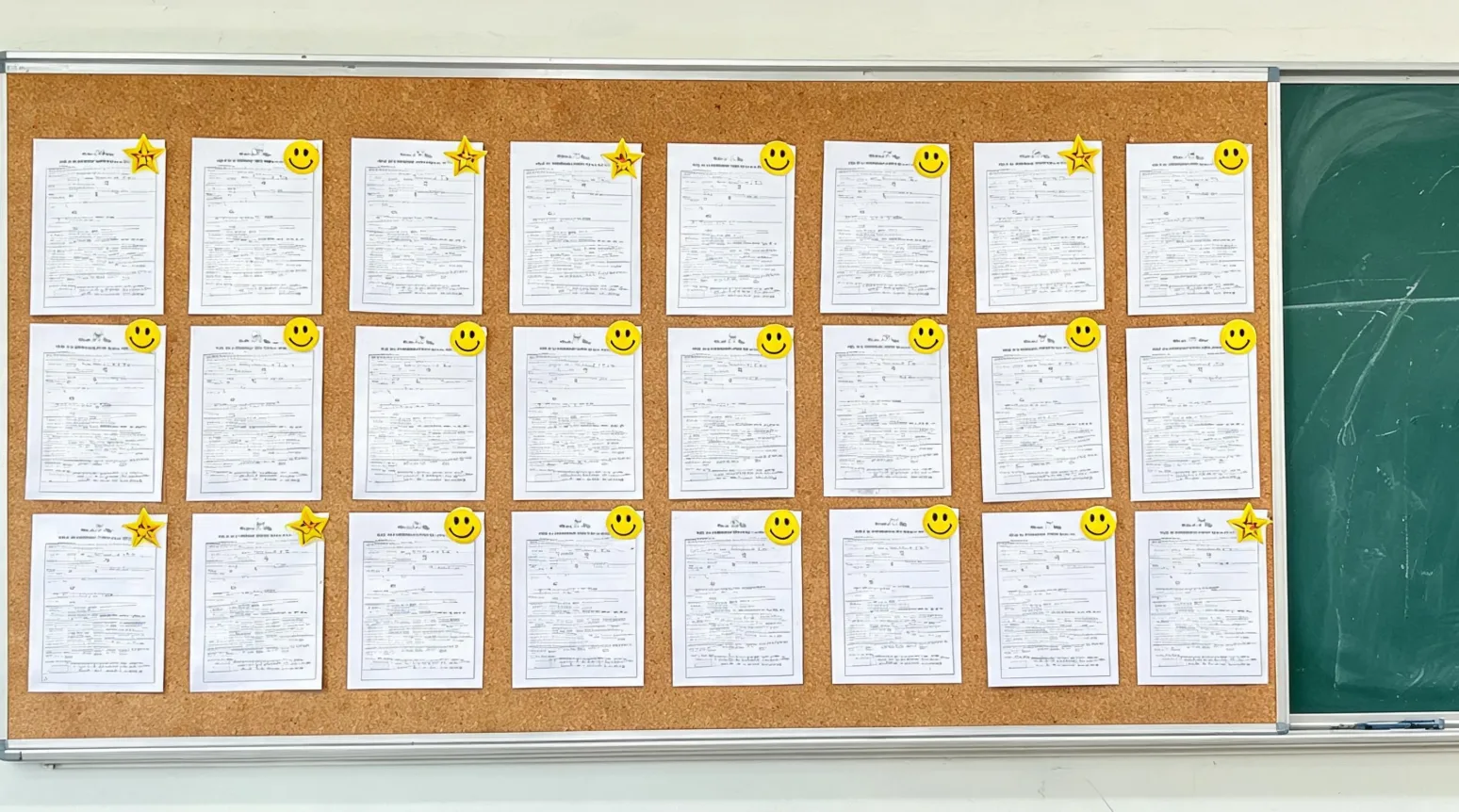
Gold-star reward stickers are a classroom classic — but custom stickers do far more than motivate. From labeling supplies to organizing projects and communicating with parents, a few sheets of stickers can quietly run a smoother classroom. Here are six practical ways teachers use stickers beyond rewards, plus how to keep materials safe for young kids.
1. Name-label stickers for supplies
Custom name stickers on crayons, water bottles, folders, and devices end the daily “whose is this?” chaos and cut down on lost items. Tip: order a sheet per student with their name repeated in several sizes so one sheet covers everything from a pencil to a backpack. Waterproof material survives lunchboxes and hand-washing.
2. Book and locker labels
Themed labels turn classroom-library organization into something kids can actually maintain — color-coded reading levels, “return me” labels, and cubby/locker name tags. Tip: use a consistent color or icon per category so even pre-readers can sort and re-shelve correctly.
3. Class project completion stickers
Beyond a reward, completion stickers act as a visible progress tracker — students add a sticker to a chart or their work as each step of a project finishes. Tip: design a small set of step icons (researched / drafted / illustrated / presented) so the stickers communicate what was done, not just “good job.”
4. Parent-communication folder stickers
Color-coded stickers on take-home folders make home communication instant: a red sticker means “needs a signature,” green means “all done,” a star means “see note inside.” Tip: send a tiny legend home at the start of the year so parents read the system at a glance — no note required.
5. Classroom job chart stickers
Rotating classroom jobs (line leader, plant waterer, board cleaner) run smoothly with reusable job stickers on a chart. Tip: laminate the chart and use a removable adhesive sticker option so jobs can be swapped weekly without reprinting.
6. Field-trip nametag stickers
Disposable nametag stickers with the school name, teacher name, and a contact number keep groups safe and identifiable on outings. Tip: leave a blank line to write each child’s name, and choose a bright, high-contrast color that’s easy to spot in a crowd.
Choosing safe materials for young kids
For any classroom sticker that young children handle, material safety matters most. Look for non-toxic, child-safe inks and adhesives, avoid small die-cut pieces that could be a choking hazard for the youngest students, and pick durable materials that won’t shred into tiny bits. Our guide to whether children’s stickers are safe covers what to check before you buy in bulk for a class.
For reward-specific systems, the ultimate guide to sticker reward charts goes deeper; many of these uses work best on sticker sheets that hold lots of small labels economically.
Frequently asked questions
What are creative classroom sticker ideas besides reward charts?
Name labels for supplies, book/locker labels, project-completion trackers, parent-communication folder codes, job-chart stickers, and field-trip nametags.
Are stickers safe for young students to handle?
Choose non-toxic, child-safe inks and adhesives, and avoid very small die-cut pieces that could be a choking hazard for the youngest children.
What’s the most economical way for teachers to buy stickers?
Bulk sticker sheets hold many small labels per sheet, making them the most cost-effective format for whole-class use and easy to reorder during the year.
Can I get name stickers for every student?
Yes — order a personalized sheet per student with their name repeated in several sizes to label everything from pencils to backpacks.
Are waterproof stickers worth it for classrooms?
Yes for anything that gets washed or handled a lot — water bottles, lunchboxes, devices — so labels don’t peel or smear.
Stock up for the school year — bulk classroom sticker sheets with safe, child-friendly materials.