
Sticker reward charts are one of the most effective behavior tools in parenting and early childhood education. They’re simple, visual, and tap into kids’ love of progress. But they only work if set up correctly.
Why Sticker Charts Work
- Visual progress. Kids see growth daily — abstract goals become tangible.
- Immediate reward. A sticker is a mini-celebration without depending on the parent’s mood.
- Habit formation. Studies show 21–30 day streaks build lasting habits.
- Pride of ownership. The chart belongs to the child — they fill it, they earn it.
How to Set One Up
- Pick ONE specific behavior. “Be good” doesn’t work. “Brush teeth before bed” does.
- Choose the duration. Start with 7–14 days for a new habit.
- Define the reward. Match it to effort. Small reward for 7 stickers, bigger for 30.
- Make it visible. Fridge, bedroom door — somewhere the child sees daily.
- Let the child apply the sticker. The motor act of placement is part of the reward.
Age-Appropriate Examples
Ages 3–5:
- Chart: 7 spaces (one week)
- Reward at 5 stickers: small toy, special snack, story time
- Behaviors: brush teeth, share toys, no hitting
Ages 5–8:
- Chart: 14–21 spaces
- Reward at 10 stickers: park outing, movie, ice cream
- Behaviors: finish homework, make bed, help with chores
Ages 8–12:
- Chart: 30 spaces (monthly)
- Reward at 20 stickers: sleepover, new book, small allowance
- Behaviors: practice instrument, read 20 min/day, kindness to siblings
Consistency Tips That Make or Break the Chart
- Apply immediately after the behavior — delay weakens the connection.
- Never remove stickers as punishment — it teaches that progress can be erased.
- Celebrate milestones aloud: “You’ve earned 5 stickers!”
- Be consistent — skipping evenings teaches that the chart is optional.
- Phase out gradually: as habits form, fade the chart — don’t abandon it abruptly.
Chart Design Tips
- Use reusable laminated charts — saves money and reduces waste.
- Themed charts (dinosaurs, princesses, sports) increase kid buy-in.
- Use small stickers (10–15mm) so charts don’t fill instantly.
- Combine with a thermometer-style progress bar for older kids.
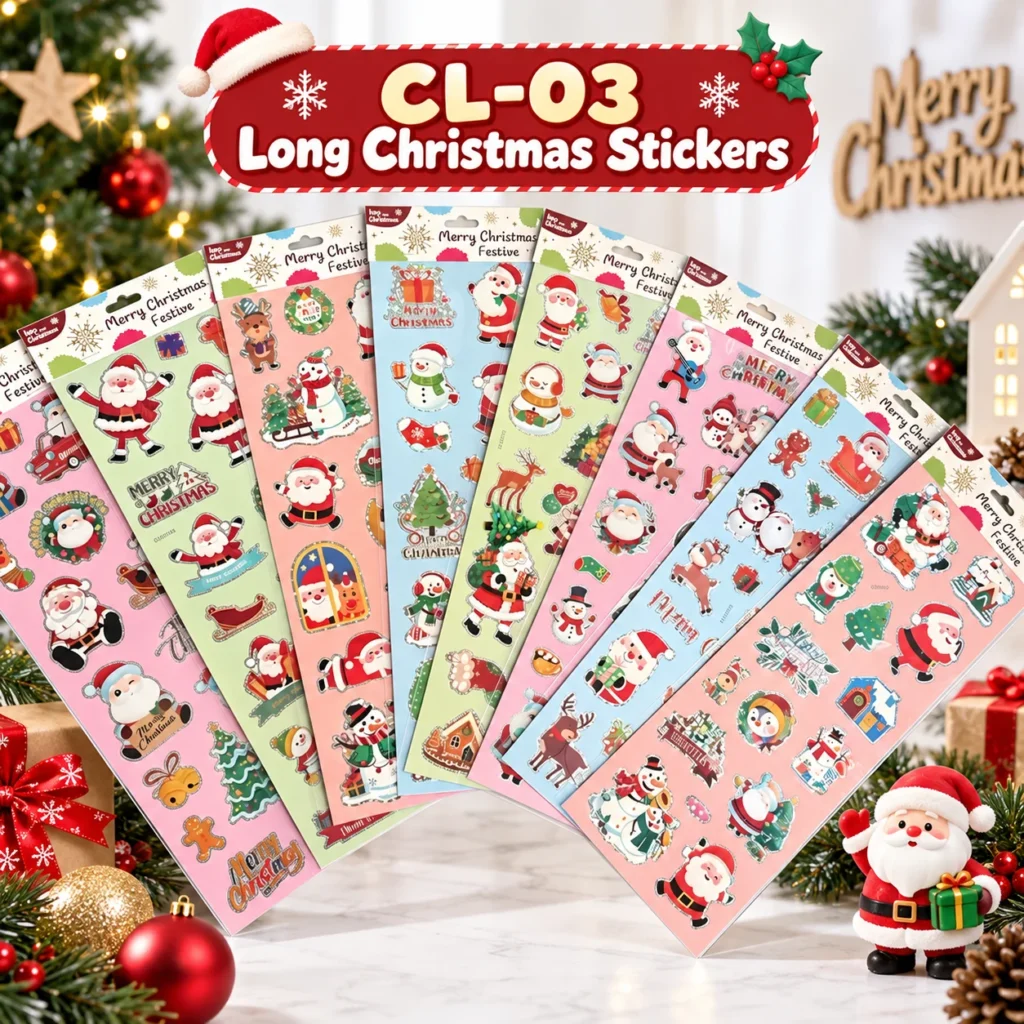
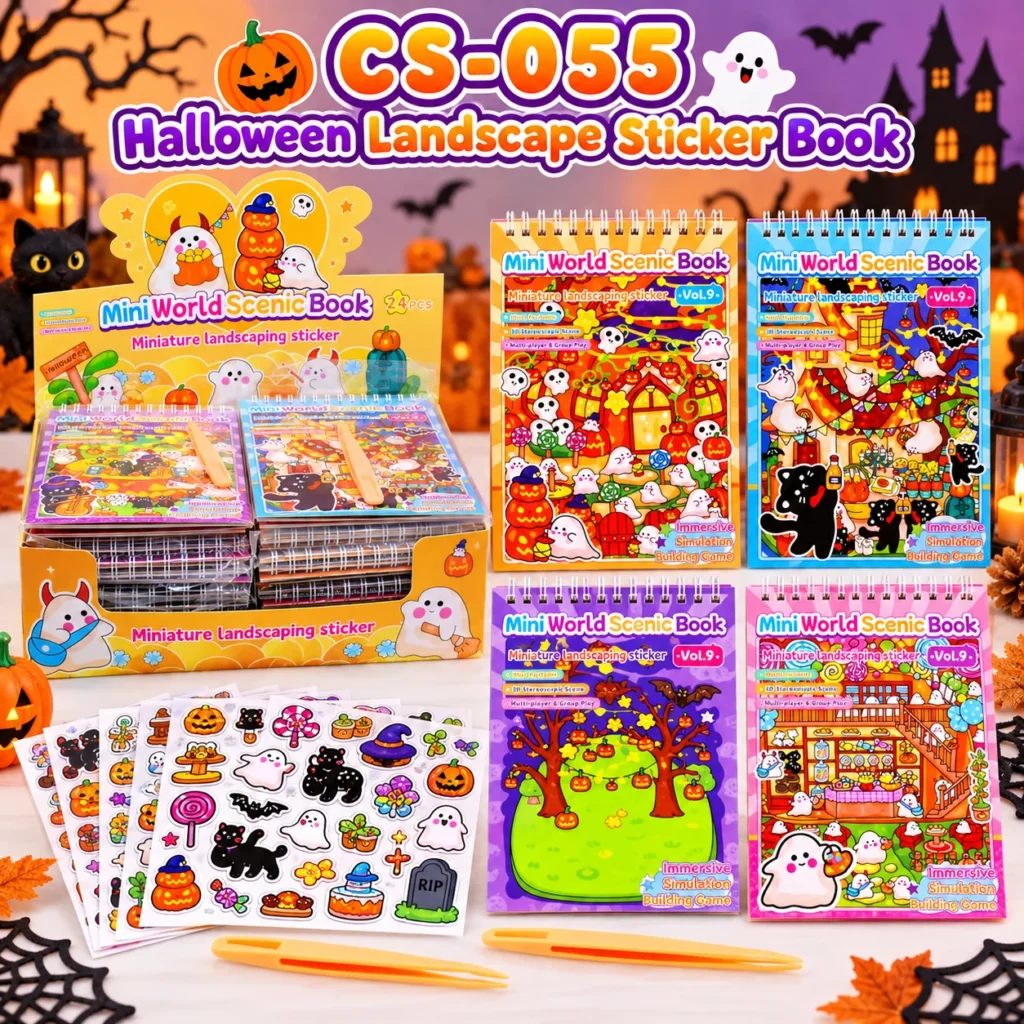
The right stickers make all the difference. StickerJaki’s Comprehensive Creative Package includes 12 themed reward chart sticker sets — perfect for parents, teachers, and family therapists.
Buyer Notes for The Ultimate Guide to Sticker Reward Charts for Kids
For children-focused sticker products, buyers should pay close attention to age suitability, material safety, easy handling, packaging clarity, and the type of activity the product supports. StickerJaki focuses on carton-based wholesale supply, with standard product orders following MOV $200. Custom sticker pricing depends on the product type, material, finish, packaging, and quantity.
Children-focused sticker assortments need clear age positioning and simple handling. Buyers should review packaging warnings, sheet size, adhesive behavior, and whether the activity can be understood quickly by parents, teachers, or gift buyers.
Quick sourcing checklist
- Check age suitability and safety expectations
- Choose simple activities that are easy to understand
- Review packaging clarity for parents, schools, and gift buyers
For readers comparing options, the best next step is to move from general research to the right product or quote path. Useful resources: Arts and crafts stickers · Sticker books wholesale · Wholesale sticker products.
If the standard product range does not match the exact design, packaging, or application requirement, a custom quote is usually the better path. In that case, prepare the artwork, expected quantity, target material, finish, and packing method before contacting the supplier.
Commercial Planning Notes
Kids sticker products should be judged by safety, clarity, and play value. Parents and teachers need to understand the activity quickly, while children need stickers that are easy to peel, place, and enjoy. Age positioning, warning text, material choice, and package instructions should be reviewed before a product is added to a commercial range.
The best children’s sticker assortments usually combine simple interaction with strong visual themes. Animals, rewards, dress-up play, scenes, holidays, and craft activities can all work, but buyers should check whether the product encourages repeat use rather than a one-time peel-and-discard experience.
For buyers comparing multiple sticker formats, the practical next step is to shortlist the intended use first, then match the product format to that use. Standard wholesale items are generally best for fast sourcing and retail assortments, while custom production is better when the design, material, dimensions, or packaging must follow a specific brand requirement.
Frequently Asked Questions
What should buyers check for children’s sticker products?
Buyers should review age suitability, material safety expectations, ease of peeling, packaging clarity, warning text, and whether the activity is simple enough for the intended user.
Which sticker formats work well for kids?
Reward stickers, dress-up books, scene sticker books, craft stickers, scratch activities, and themed assortments can all work well when the design and activity are easy to understand.
Are kids stickers better as standard or custom products?
Standard wholesale products are useful for fast sourcing and mixed assortments. Custom production is better when a buyer needs original characters, branded packaging, or a specific activity format.