Selecting wholesale stickers for toy stores is an assortment decision, not simply a search for the brightest design. The right mix depends on shopper age, store format, shelf space, gifting occasions, price ladder, replenishment speed, and inventory risk. A focused opening order makes it easier to learn which themes and formats fit a particular store.
Define the customer and price ladder
Start with the store’s core shoppers and purchasing occasions. Record the target age ranges, whether adults or children choose the item, and whether the product is intended for an impulse purchase, small gift, activity, reward, or add-on. Build a price ladder that gives customers clear choices without filling every shelf position with similar products. Product dimensions and packaging must fit the intended selling price and display position.
Build a balanced product mix
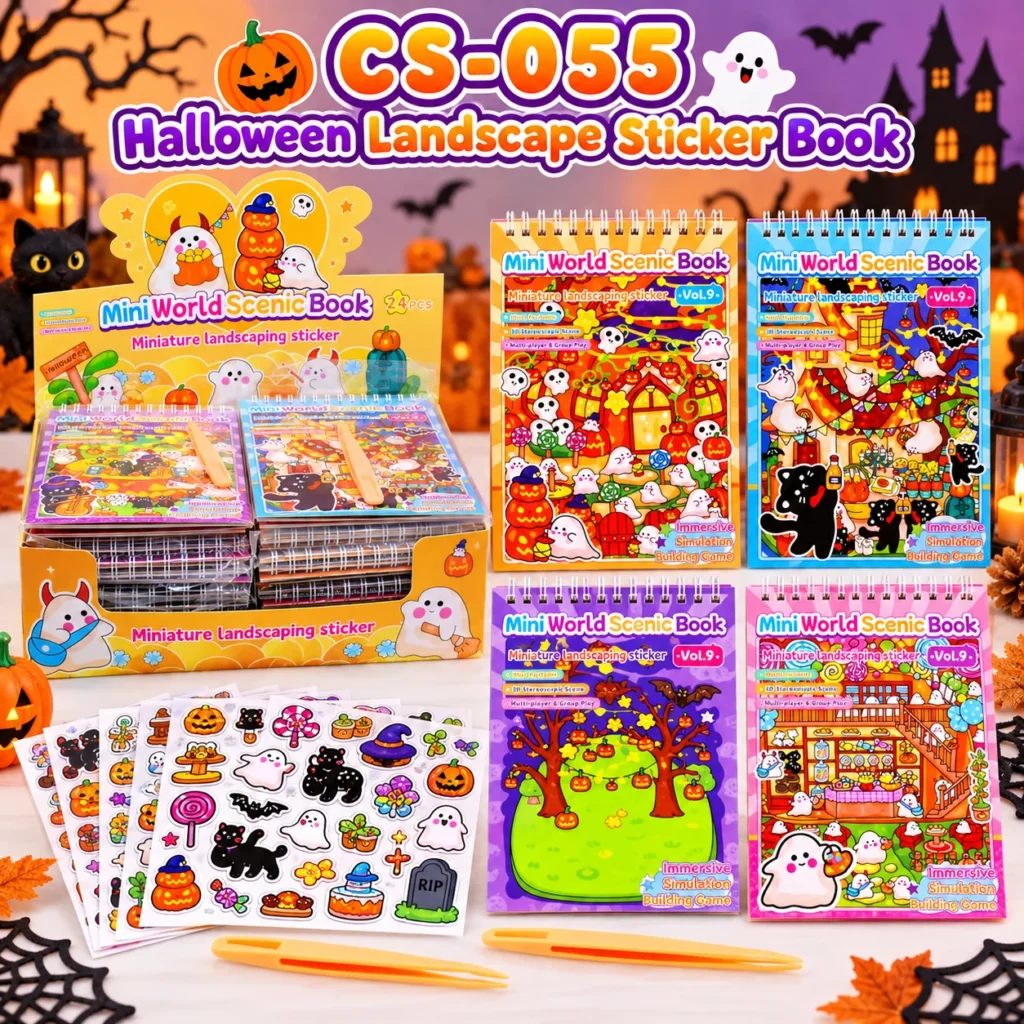
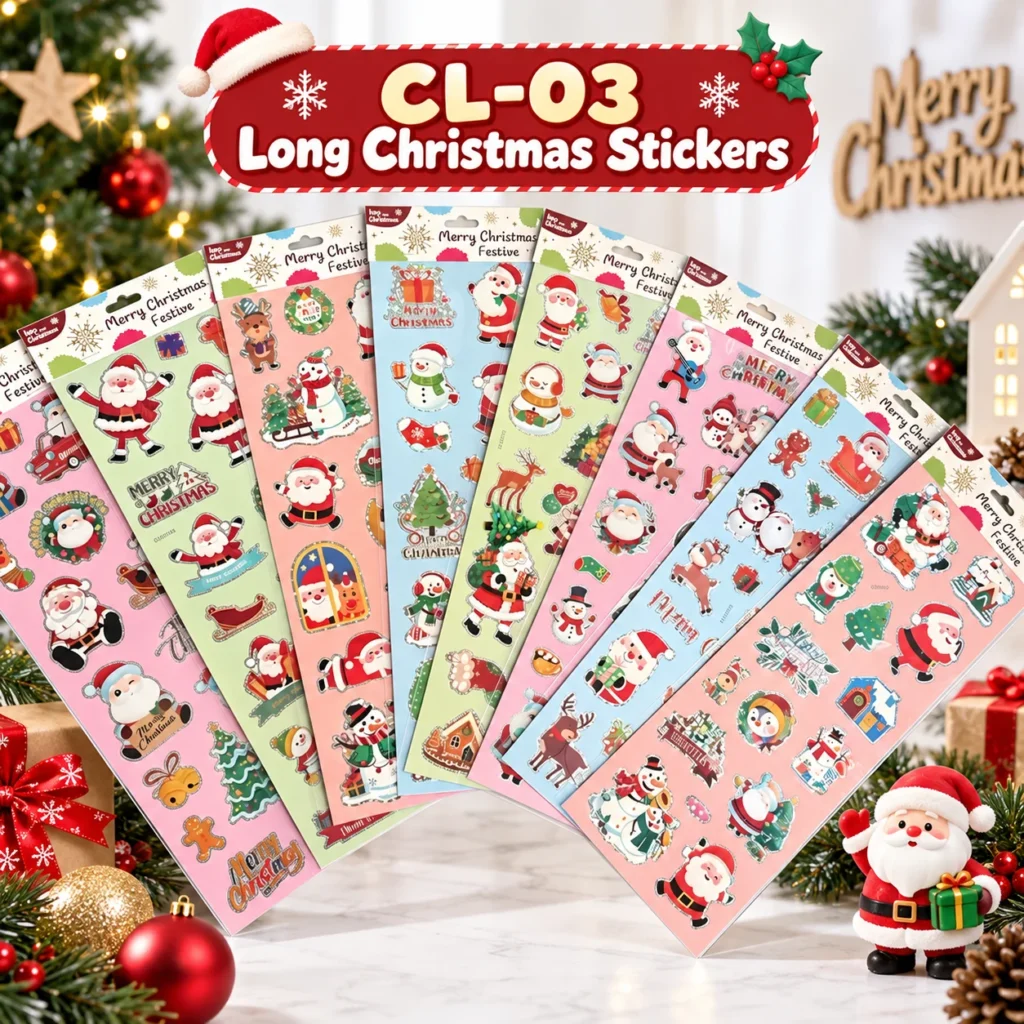
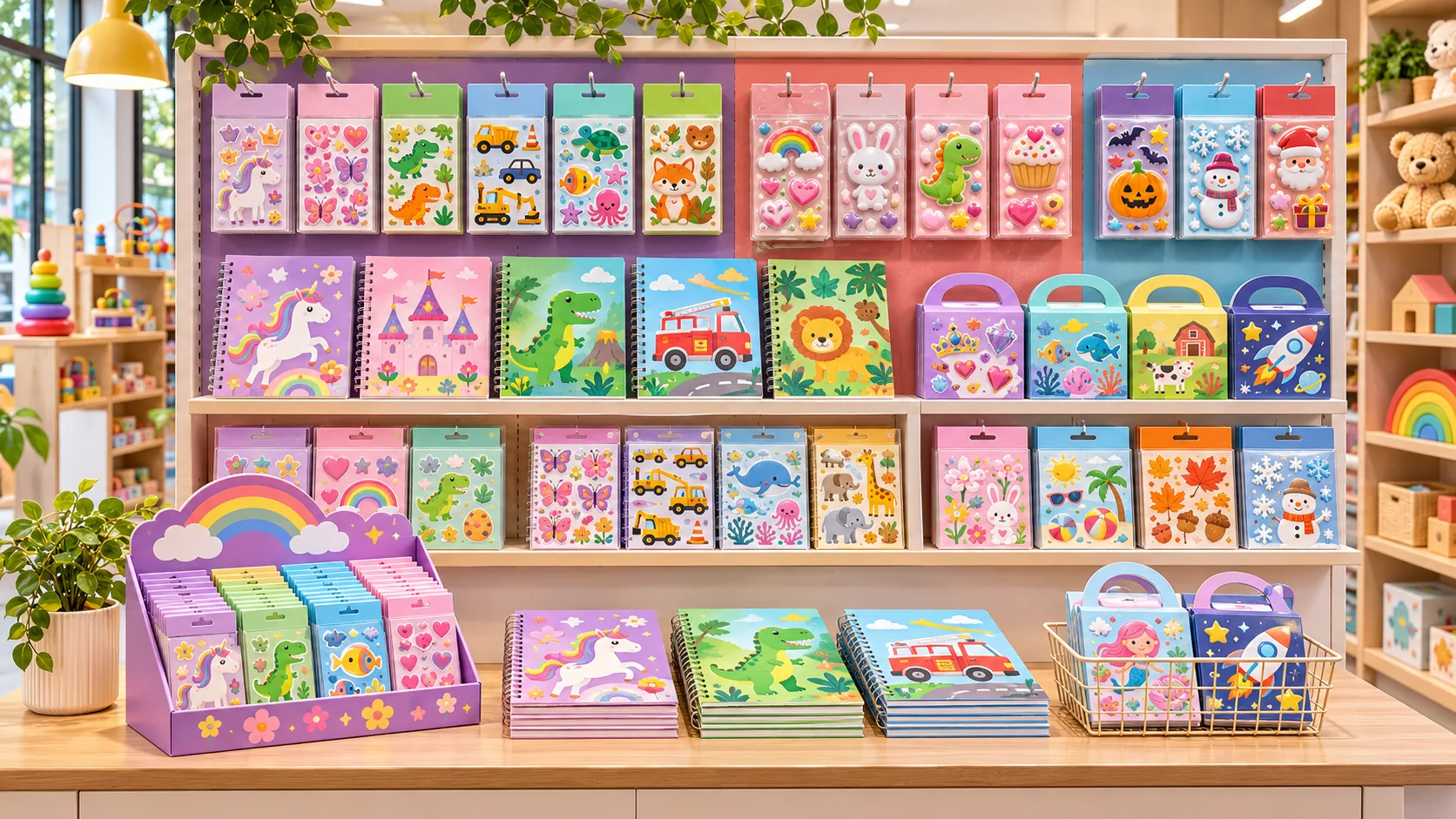
A useful first assortment can combine familiar, easy-to-understand items with a smaller number of novelty and activity products. Use the real catalog as the limit: compare kids stickers wholesale, sticker books wholesale, and creative sticker sets wholesale. Different stores need different proportions, so treat the opening order as a controlled test rather than a universal formula.
| Product type | Shopper/use | Best display position | Packaging check | Inventory role |
|---|---|---|---|---|
| Flat sticker sheets | Simple collecting, rewards, decorating | Counter, peg wall, low-price section | Visible designs, hanging and barcode area | Core or impulse |
| Puffy or novelty stickers | Tactile and visual novelty | Feature hook or themed display | Protection from pressure and rubbing | Feature or test |
| Sticker books | Gifting, travel, themed activity | Book, activity, or gift section | Cover, page count, closure, shelf footprint | Core or gift |
| Creative sticker sets | Longer activity and project use | Activity shelf, endcap, gift table | Components, pack clarity, carrying format | Gift or seasonal |
| Seasonal designs | Holiday and event purchases | Seasonal table or checkout | Theme timing and compact display | Seasonal |
Choose themes and age suitability
Group themes around recognizable interests such as animals, vehicles, fantasy, fashion, space, holidays, or creative activities, but match them to the store’s actual customer base. Review sticker size, peelability, small components, instructions, warnings, and intended use for the relevant age group. Ask for product-specific documents when required by the destination market; do not assume one document covers every item.
Evaluate display and packaging
Packaging should help a shopper understand the product quickly and help staff replenish it consistently. Check hanging holes, header cards, display boxes, counter units, cover visibility, barcode position, label language, warning area, and shelf footprint. For online assortments, confirm that the package can be photographed clearly and protected during fulfillment. Raised or tactile products may need more protection from stacking pressure than flat sheets.
Plan core, seasonal, impulse, and test roles
Give every SKU a reason to be in the order. Core styles support regular availability. Impulse products fit checkout or low-commitment positions. Seasonal products have a defined selling window. Test styles answer a specific question about theme, format, or price position. This structure prevents an assortment from becoming a collection of unrelated designs.
Use mixed-SKU ordering carefully
Mixed products can help a store test themes while working toward the overall order value, but the allowed mix depends on each product’s selling unit, carton quantity, and current supply rules. StickerJaki standard wholesale products are ordered by carton with a current US$200 minimum order value. MOV is the total order-value threshold; it does not remove carton or product quantity requirements. Confirm availability and mixed-style rules for the selected items.
Calculate an opening assortment without guessing sales
Use store count, facings, units per facing, planned display period, replenishment frequency, and a modest safety quantity. For example, estimate the quantity required to fill the display across all stores, then add only the stock needed until the next realistic replenishment point. Do not build the first order from an invented sales rate. If there is no history, use smaller controlled tests where carton rules allow and record the assumptions.
Seasonal planning
Work backward from the date the product must be on the shelf. Include product confirmation, quotation, sample or proof approval, production where required, inspection, shipping, customs, warehouse receipt, and store allocation. Timing varies by product and route, so confirm the schedule for each order. Avoid ordering a large seasonal quantity only because a theme looks attractive; the selling window and replenishment plan matter.
Review safety and destination-market information
Identify the intended age group and destination market, then confirm what product information, warnings, testing documents, labels, and importer details are needed. Requirements may differ by product construction and market. Keep the actual documentation connected to the selected SKU or custom specification rather than relying on a general claim.
Monitor sell-through and reorder by SKU
Track starting stock, receipts, sales, markdowns, damages, and ending stock by SKU and store. Compare formats, themes, and display positions over the same selling period. Reorder proven items based on remaining coverage and supplier timing. Reduce or replace slow styles instead of adding more similar products without evidence.
New-assortment checklist
- Define store type, age range, market, channel, and price ladder
- Assign each SKU a core, impulse, gift, seasonal, or test role
- Confirm selling unit, carton quantity, assortment, and current availability
- Measure peg, shelf, counter, display box, and online-fulfillment constraints
- Review packaging, barcode, labels, warnings, and destination documents
- Calculate display fill, store allocation, replenishment interval, and safety quantity
- Record the planned selling period and reorder trigger
Frequently asked questions
What mix of stickers should a toy store buy first?
Start with a small, balanced mix based on the store’s customer, shelf space, and price ladder. Combine core products with limited novelty, gift, seasonal, and test styles.
How should products be divided by age group?
Use the product’s intended use, sticker size, handling, instructions, warnings, and documentation. Confirm suitability and market requirements for each selected item.
Where should sticker products be displayed?
Match the format to the space: compact sheets can suit counters or peg walls, books can sit with activities and gifts, and larger creative sets may need shelves or endcaps.
Can a toy store mix different designs?
Mixed-style options depend on the product, selling unit, carton quantity, and current order rules. Confirm the allowed assortment before planning the order.
When should a toy store reorder?
Use SKU-level sales, remaining stock, selling period, replenishment timing, and store allocation. Set a reorder trigger that allows enough time for confirmed supply and shipping.
To build a relevant assortment, share the store type, customer age range, destination market, display format, preferred themes, number of stores, quantities, and required delivery date. Review current products, use the quote cart, contact StickerJaki by WhatsApp or email, or visit the Contact page. The FAQ covers common wholesale questions.